Korean Bibimbap
Highlighted under: Traditional Inspiration
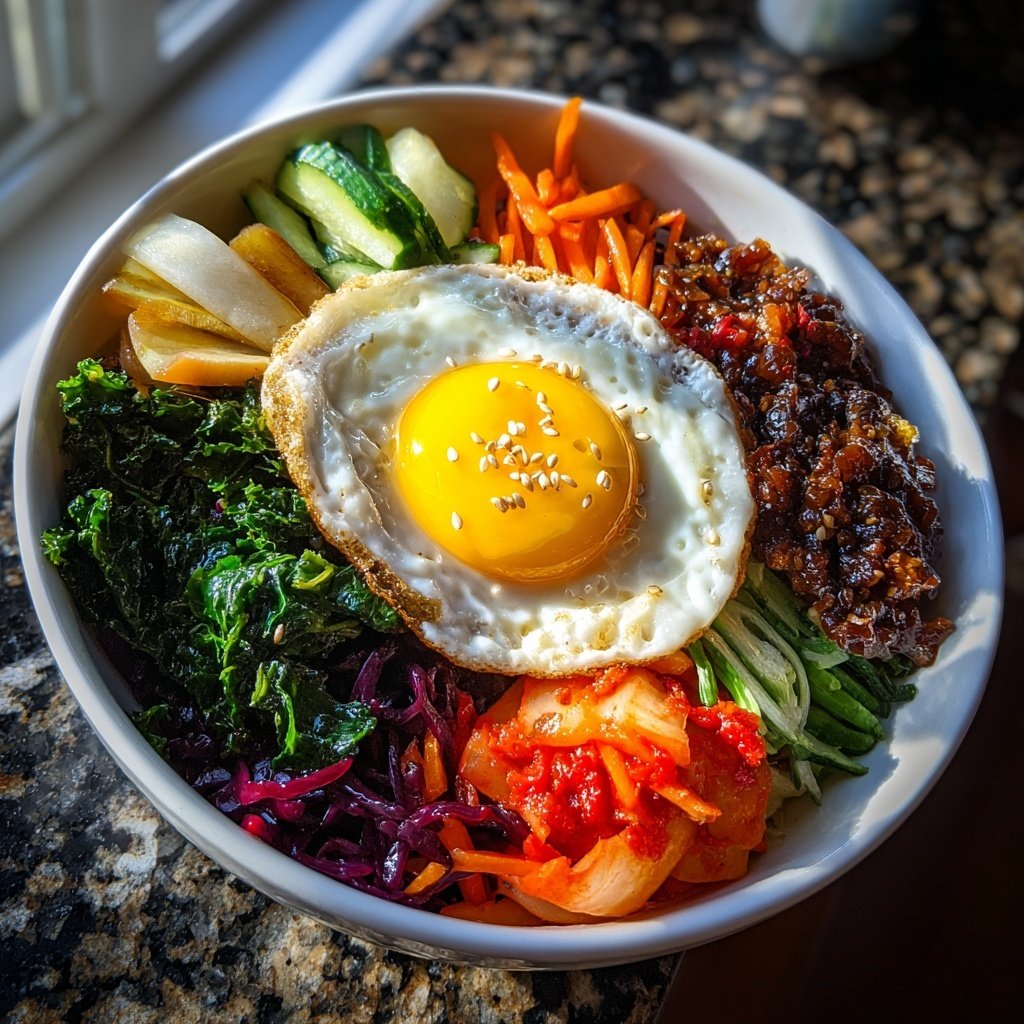
Korean Bibimbap is a vibrant and flavorful dish that combines rice with an assortment of vegetables, meat, and a spicy sauce.
This traditional Korean dish is not only a feast for the eyes but also a delightful mix of flavors and textures. Each bite offers a balance of fresh vegetables, seasoned meat, and a spicy kick that will leave you wanting more.
Why You'll Love This Recipe
- A colorful array of vegetables for a nutritious meal
- Customizable with your favorite proteins and toppings
- Deliciously spicy with the perfect amount of crunch
The Art of Bibimbap
Bibimbap is not just a meal; it's a delightful experience that brings together a variety of colors and flavors in one bowl. The name 'bibimbap' translates to 'mixed rice,' which perfectly encapsulates the essence of this dish. Traditionally, it features a myriad of vegetables, proteins, and a spicy sauce, all harmoniously blended together. Each ingredient contributes its unique taste and texture, making every bite a delightful surprise. This dish is a celebration of Korean culinary traditions and is perfect for both casual dinners and special occasions.
One of the beauties of bibimbap is its adaptability. You can use whatever vegetables you have on hand, making it an excellent way to utilize leftovers. Common choices include mushrooms, zucchini, carrots, and spinach, but feel free to get creative with your favorites. The protein can also vary; whether you prefer beef, chicken, or tofu, each option adds its distinct flavor profile. This flexibility allows you to tailor the dish to your taste, dietary restrictions, or seasonal ingredients.
Nutritional Benefits
Korean Bibimbap is not only visually appealing but also packed with nutrients. The dish is rich in vitamins and minerals, thanks to the variety of vegetables. Spinach, for instance, is a fantastic source of iron and vitamins A and C, while bean sprouts offer protein and dietary fiber. Together, these ingredients contribute to a balanced meal that promotes overall health. Adding a protein source like beef or tofu enhances the nutritional profile, making bibimbap a wholesome option for any meal.
Moreover, the use of gochujang adds a spicy kick, which not only enhances flavor but can also offer health benefits. Gochujang is known for its potential metabolism-boosting properties and is rich in antioxidants. The combination of healthy ingredients makes bibimbap a satisfying choice for those looking to enjoy a delicious meal without compromising on nutritional value.
Serving Suggestions
When serving bibimbap, presentation is key. Use a large, shallow bowl to showcase the vibrant colors of the ingredients. Arrange the vegetables and protein in sections over the rice, creating a visually appealing dish that invites everyone to dig in. For an authentic touch, consider serving with additional sides such as kimchi or pickled vegetables, which complement the flavors of the bibimbap beautifully.
For those who enjoy a bit of heat, provide extra gochujang on the side. This allows guests to customize their spice level according to their preference. Pairing bibimbap with a light Korean soup or a refreshing cucumber salad can also round out the meal, making it a complete dining experience that delights the senses.
Ingredients
Ingredients
For the Bibimbap
- 2 cups cooked white rice
- 1 cup spinach, blanched
- 1 cup bean sprouts, blanched
- 1 carrot, julienned
- 1 zucchini, julienned
- 1 cup shiitake mushrooms, sautéed
- 2 eggs, fried
- 1 cup beef or tofu, cooked and seasoned
- 1 tablespoon sesame oil
- Gochujang (Korean chili paste) to taste
- Sesame seeds for garnish
Mix and match your favorite ingredients to create a personalized bibimbap!
Instructions
Instructions
Prepare the Rice
Cook the rice according to package instructions and set aside.
Sauté the Vegetables
In a skillet, sauté the zucchini, carrots, and mushrooms until tender. Season with a pinch of salt.
Assemble the Bibimbap
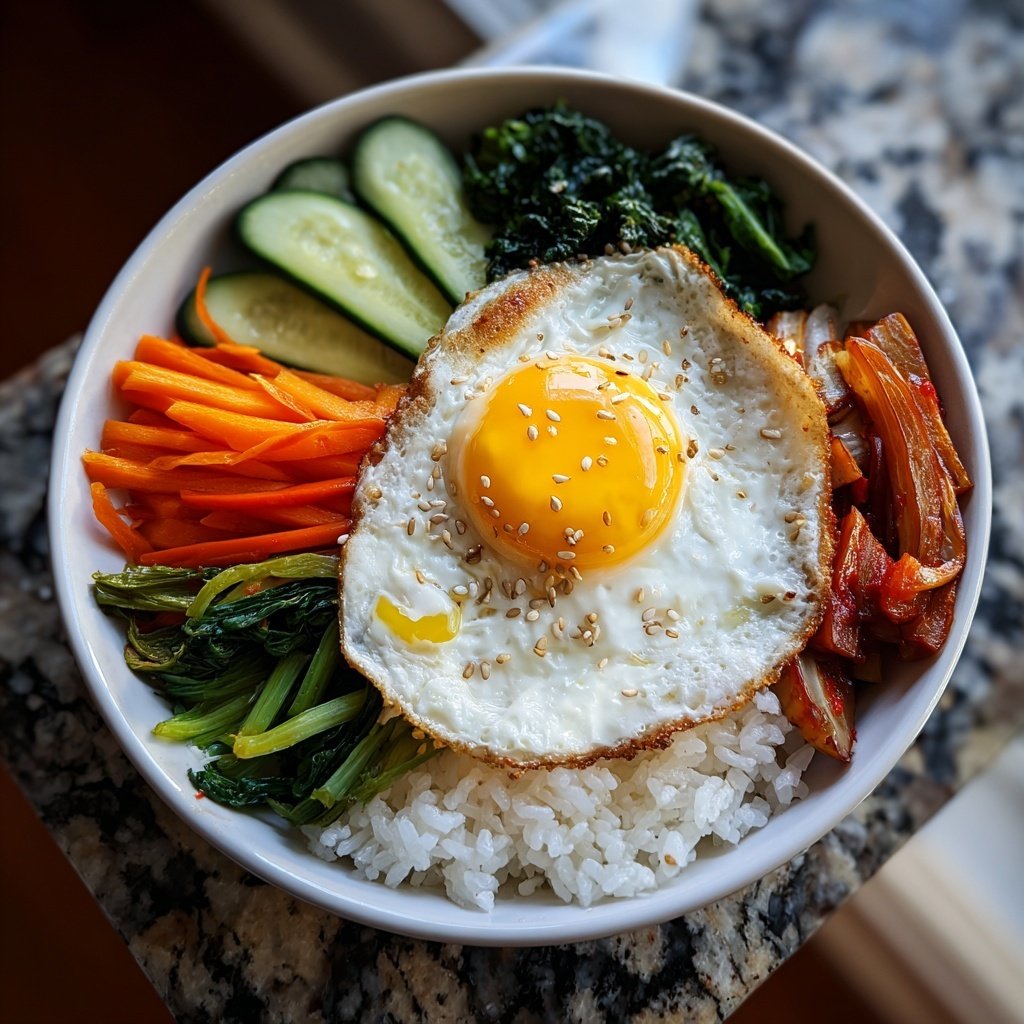
In a bowl, place a serving of rice at the bottom. Arrange the sautéed vegetables, blanched spinach, and bean sprouts on top.
Add Protein
Add your choice of cooked beef or tofu in the center of the vegetables. Top with a fried egg.
Season and Serve
Drizzle sesame oil and add gochujang to taste. Garnish with sesame seeds and mix everything together before eating.
Enjoy your homemade Korean Bibimbap!
Pro Tips
- For a vegetarian version, substitute beef with tofu or tempeh. Feel free to add any seasonal vegetables you like.
Storage Tips
If you have leftovers, bibimbap can be stored in the refrigerator for up to three days. To preserve the freshness and flavor, store the components separately. Keep the rice, vegetables, and protein in airtight containers. When ready to enjoy again, reheat the rice and sauté the vegetables briefly to revive their texture. Be sure to add the gochujang and sesame oil just before serving to maintain their bold flavors.
For longer storage, consider freezing the cooked rice and proteins. This way, you can whip up a quick bibimbap meal in no time. Just remember to thaw them before reheating, and enjoy a taste of Korea even on your busiest days.
Variations to Try
While traditional bibimbap features specific ingredients, you can easily adapt it to suit your taste. For a vegetarian version, simply omit the meat and add extra protein-rich ingredients like edamame or chickpeas. You can also experiment with different grains, such as quinoa or brown rice, for a unique twist on this classic dish.
Another fun variation is to create a spicy seafood bibimbap using shrimp or octopus. Sauté these with a bit of garlic and chili oil for added flavor. With so many options, you can enjoy a new bibimbap experience every time you make it!
Questions About Recipes
→ Can I make Bibimbap vegetarian?
Yes, simply replace the meat with tofu or additional vegetables.
→ What can I use instead of gochujang?
You can use sriracha or another spicy chili paste, but the flavor will differ slightly.
→ How long does Bibimbap last in the fridge?
It can last for 2-3 days in the fridge when stored in an airtight container.
→ Can I use brown rice instead of white rice?
Absolutely! Brown rice adds a nuttier flavor and more fiber.
Korean Bibimbap
Created by: Darcy Penrose
Recipe Type: Traditional Inspiration
Skill Level: Intermediate
Final Quantity: 2 servings
What You'll Need
For the Bibimbap
- 2 cups cooked white rice
- 1 cup spinach, blanched
- 1 cup bean sprouts, blanched
- 1 carrot, julienned
- 1 zucchini, julienned
- 1 cup shiitake mushrooms, sautéed
- 2 eggs, fried
- 1 cup beef or tofu, cooked and seasoned
- 1 tablespoon sesame oil
- Gochujang (Korean chili paste) to taste
- Sesame seeds for garnish
How-To Steps
Cook the rice according to package instructions and set aside.
In a skillet, sauté the zucchini, carrots, and mushrooms until tender. Season with a pinch of salt.
In a bowl, place a serving of rice at the bottom. Arrange the sautéed vegetables, blanched spinach, and bean sprouts on top.
Add your choice of cooked beef or tofu in the center of the vegetables. Top with a fried egg.
Drizzle sesame oil and add gochujang to taste. Garnish with sesame seeds and mix everything together before eating.
Extra Tips
- For a vegetarian version, substitute beef with tofu or tempeh. Feel free to add any seasonal vegetables you like.
Nutritional Breakdown (Per Serving)
- Calories: 550 kcal
- Total Fat: 20g
- Saturated Fat: 5g
- Cholesterol: 210mg
- Sodium: 600mg
- Total Carbohydrates: 75g
- Dietary Fiber: 5g
- Sugars: 5g
- Protein: 15g